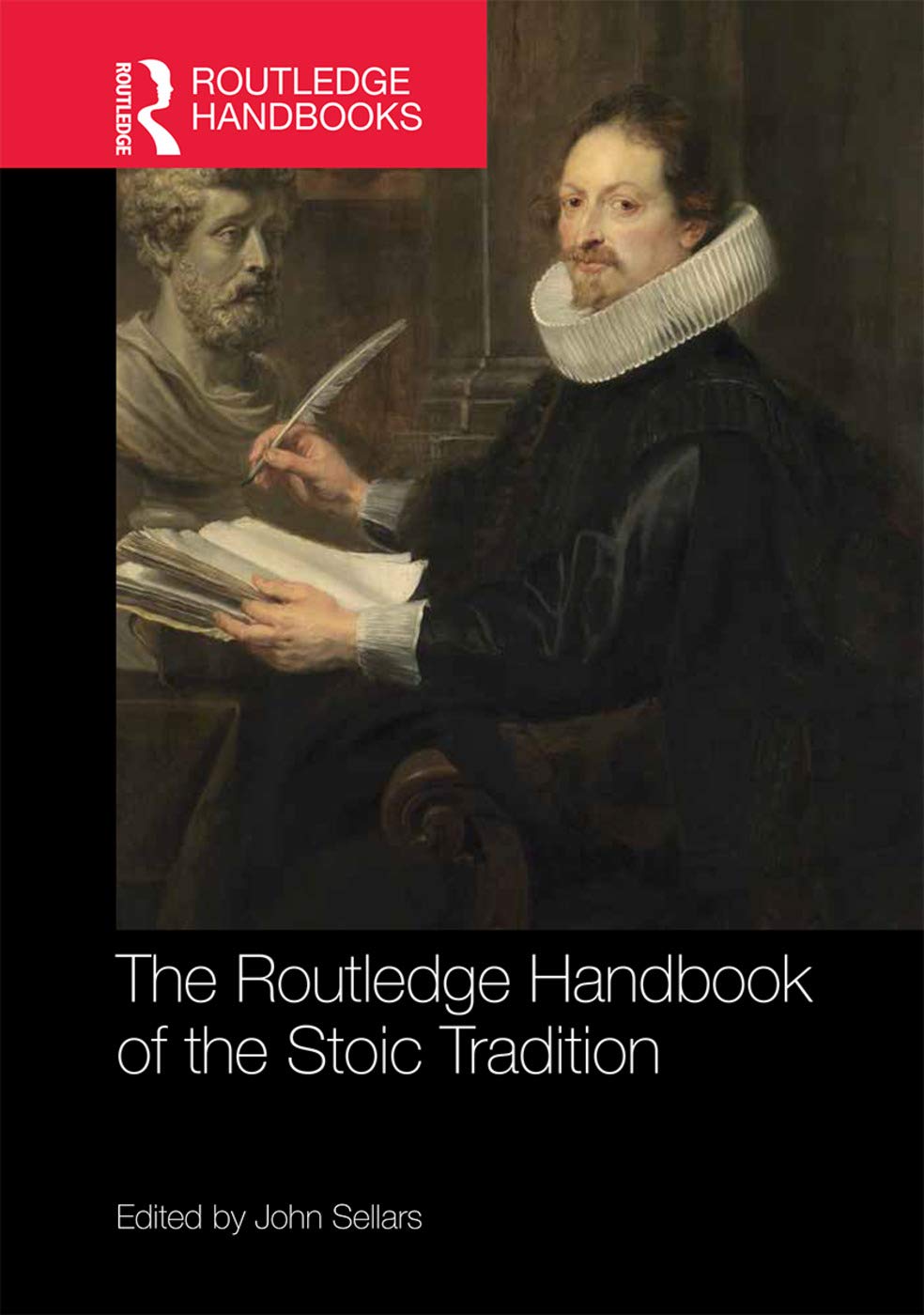
⚡️ What is The Stoic Tradition about?
The Stoic Tradition explores the profound philosophy of Stoicism through the collected wisdom of its greatest practitioners. This anthology compiles essential teachings from Zeno, Seneca, Epictetus, Marcus Aurelius, and other Stoic masters, presenting a comprehensive guide to living with virtue and resilience. The book systematically examines how Stoic principles help practitioners navigate life’s challenges through rational thinking, emotional regulation, and acceptance of what lies beyond our control. By focusing on inner development rather than external circumstances, The Stoic Tradition offers practical strategies for achieving tranquility in an unpredictable world.
🚀 The Book in 3 Sentences
- The Stoic Tradition teaches that true happiness comes from virtue and inner peace, not external rewards or circumstances.
- By distinguishing between what we can control and what we cannot, Stoicism provides practical strategies for emotional resilience and mental clarity.
- Through consistent practice of Stoic principles, anyone can develop the wisdom to face life’s challenges with equanimity and purpose.
🎨 Impressions
Reading The Stoic Tradition felt like receiving timeless wisdom from mentors across centuries. The anthology’s strength lies in its diverse perspectives, showing how Stoic principles adapted across different eras while maintaining core truths. I was particularly struck by how practical these ancient teachings remain for modern challenges, proving that The Stoic Tradition isn’t merely academic philosophy but a living guide for daily life.
📖 Who Should Read The Stoic Tradition?
The Stoic Tradition is essential reading for anyone seeking emotional resilience in turbulent times. It particularly serves those facing stress, anxiety, or major life transitions who desire practical tools for mental fortitude. Leaders, entrepreneurs, and anyone navigating high-pressure environments will find invaluable strategies for maintaining composure and making clear decisions through The Stoic Tradition‘s teachings.
☘️ How the Book Changed Me
How my life / behaviour / thoughts / ideas have changed as a result of reading the book.
- I now immediately pause when facing frustration to ask, “Is this within my control?” – a core Stoic Tradition practice that reduced my daily stress significantly.
- I’ve started implementing evening reflections modeled after Marcus Aurelius, examining my actions and attitudes throughout the day with compassionate honesty.
- I’ve developed greater resilience during setbacks by reframing obstacles as opportunities for growth, a perspective shift directly inspired by The Stoic Tradition.
✍️ My Top 3 Quotes
- “The happiness of your life depends upon the quality of your thoughts.” – Marcus Aurelius
- “We suffer more often in imagination than in reality.” – Seneca
- “It’s not what happens to you, but how you react to it that matters.” – Epictetus
📒 Summary + Notes
The Stoic Tradition presents a systematic exploration of Stoic philosophy through its most influential voices. This anthology reveals how Stoicism evolved from its founding in ancient Greece to its practical application in Rome, offering readers a comprehensive understanding of its core principles and practices. The book demonstrates how The Stoic Tradition provides timeless strategies for developing emotional resilience, cultivating virtue, and finding tranquility regardless of external circumstances.
Chapter 1: The Origins of Stoicism
This chapter traces Stoicism’s founding in Athens by Zeno of Citium around 300 BCE. It explores how early Stoics built upon Socratic and Cynic ideas, developing a systematic philosophy centered on living in accordance with nature and reason. The chapter establishes Stoicism’s three core disciplines: perception (what we should avoid), action (how we should behave), and desire (what we should want).
- Stoicism emerged as a practical philosophy focused on daily living rather than abstract speculation
- The early Stoics believed virtue was the only true good and sufficient for happiness
- Their teachings emphasized developing rational control over destructive emotions
Chapter 2: Zeno and the Foundation
This chapter examines Zeno’s contributions as Stoicism’s founder, highlighting his teachings on logic, physics, and ethics. It details how Zeno established a comprehensive system where understanding the universe’s rational structure leads to proper living. The chapter emphasizes Zeno’s radical idea that external events are morally neutral, and only our judgments about them cause suffering.
- Zeno taught that happiness comes from aligning our will with the rational order of the universe
- He introduced the concept of apatheia – freedom from destructive passions
- Zeno’s teachings established the Stoic emphasis on practicing philosophy as a way of life
Chapter 3: The Roman Stoics
This chapter explores how Stoicism evolved and flourished in Rome through Seneca, Epictetus, and Marcus Aurelius. It contrasts their approaches: Seneca the statesman, Epictetus the former slave, and Marcus Aurelius the emperor. The chapter shows how they adapted Greek Stoic principles to Roman contexts, making the philosophy more accessible and practical for everyday life.
- Seneca focused on practical ethics for public life and the importance of friendship and leisure
- Epictetus emphasized that true freedom comes from mastering our inner responses to external events
- Marcus Aurelius demonstrated Stoic practice in the highest position of power through his personal meditations
Chapter 4: The Dichotomy of Control
This chapter examines the Stoic distinction between what is within our control (our thoughts, judgments, desires, and actions) and what is not (external events, other people’s opinions, health, wealth). It explores how this dichotomy forms the foundation of Stoic practice, showing how focusing exclusively on our own responses leads to freedom from anxiety and frustration.
- Stoics taught that all suffering comes from trying to control things outside our power
- The chapter provides practical exercises for applying this distinction to daily challenges
- Understanding this dichotomy helps eliminate blame and resentment toward others
Chapter 5: Stoic Practices for Daily Life
This chapter details concrete techniques for implementing Stoic principles daily. It covers practices like morning preparation, evening reflection, voluntary discomfort, and the view from above. The chapter emphasizes how these consistent practices retrain the mind to respond more virtuously to life’s challenges, gradually building inner resilience and tranquility.
- Morning meditation involves planning the day with Stoic principles in mind
- Evening reflection examines actions and attitudes without judgment
- Voluntary discomfort builds appreciation for what we have and prepares for adversity
Chapter 6: Virtue as the Sole Good
This chapter explores the radical Stoic teaching that virtue (excellence of character) is the only true good. It examines how Stoics redefined traditional values, considering health, wealth, and reputation as “preferred indifferents” – neither good nor bad in themselves. The chapter shows how this perspective frees practitioners from the emotional rollercoaster of pursuing external achievements.
- Stoics identified four cardinal virtues: wisdom, courage, justice, and temperance
- They taught that external circumstances cannot determine our happiness or worth
- This chapter provides guidance for making decisions based on ethical principles rather than outcomes
Chapter 7: Stoicism in Modern Times
The final chapter examines Stoicism’s revival in contemporary life, showing how its principles align with modern psychology, particularly cognitive-behavioral therapy. It discusses how Stoic practices help people navigate digital-age challenges like information overload, social comparison, and rapid change. The chapter concludes by affirming The Stoic Tradition‘s enduring relevance for building resilience and meaning in uncertain times.
- Modern psychology has validated many Stoic techniques for emotional regulation
- Stoicism provides tools for maintaining focus amid constant digital distractions
- Its emphasis on community and service offers antidotes to modern isolation
Key Takeaways
The Stoic Tradition offers profound wisdom for developing unshakeable inner peace through practical philosophy. These essential lessons provide a framework for resilient living:
- Distinguishing between what we can and cannot control eliminates unnecessary suffering
- Virtue – not external achievements – is the foundation of genuine happiness
- Daily practice of Stoic techniques builds mental resilience over time
- Accepting life’s inevitable challenges with equanimity leads to greater tranquility
- Focusing on present-moment awareness prevents anxiety about future uncertainties
Conclusion
The Stoic Tradition provides a timeless toolkit for navigating life’s challenges with wisdom and grace. By implementing its practical strategies, we can transform our relationship with adversity, finding freedom in acceptance and strength in virtue. This anthology demonstrates that Stoicism remains not merely historical curiosity but a living philosophy that offers profound guidance for anyone seeking resilience, purpose, and inner peace in our complex modern world. I highly recommend exploring the full text to discover the transformative power of The Stoic Tradition for yourself.
More From Various →
Discover more from AI Book Summary
Subscribe to get the latest posts sent to your email.