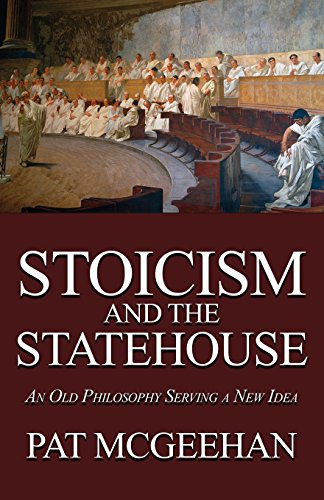
⚡️ What is Stoicism and the State about?
“Stoicism and the State” by Gretchen Reydams-Schils explores how Stoic philosophy, particularly through the lens of Roman statesman Cato the Younger, offers profound insights into ethical governance and political resistance. This compelling work examines how ancient Stoic principles can be applied to modern political leadership, emphasizing duty, virtue, and moral integrity in public service. The book demonstrates that Stoicism and the State are not contradictory concepts, but rather, Stoic ethics provide a robust framework for principled political action and civic responsibility.
🚀 The Book in 3 Sentences
- Stoicism and the State can work in harmony when leaders embrace virtue and duty as the foundation of public service, rather than personal ambition.
- Cato the Younger exemplifies how Stoic principles enable politicians to resist corruption and maintain integrity even in the face of political pressure.
- Modern governance requires leaders who understand that true power lies in moral authority and ethical decision-making, not in compromise of principles.
🎨 Impressions
Reading “Stoicism and the State” fundamentally changed my perspective on how ancient philosophy can address modern political challenges. Reydams-Schils masterfully demonstrates that Stoicism and the State relationship isn’t about passive acceptance, but rather about active virtue in public service. The book challenges conventional assumptions about Stoicism being incompatible with political engagement, proving instead that ethical governance requires precisely the kind of moral fortitude that Stoicism provides.
📖 Who Should Read Stoicism and the State?
This book is essential reading for political leaders, public servants, and anyone interested in ethical governance. Those who seek to understand how Stoicism and the State can collaborate to create more virtuous leadership will find tremendous value in Reydams-Schils’ analysis. The work is particularly beneficial for individuals who want to navigate political complexities while maintaining their moral compass and understanding how ancient wisdom applies to contemporary challenges.
☘️ How the Book Changed Me
How my life / behaviour / thoughts / ideas have changed as a result of reading the book.
- My understanding of Stoicism and the State relationship deepened significantly, moving beyond the misconception that Stoicism promotes political passivity
- I now approach leadership challenges with greater emphasis on virtue and ethical principles rather than immediate political gains
- My perspective on compromise shifted to recognize when principled resistance is more valuable than expedient agreement
- I developed a stronger appreciation for historical figures who embodied Stoic virtues in political contexts
✍️ My Top 3 Quotes
- “The Stoic leading the statehouse thwarted the conqueror at every turn, using his now-perfected filibuster to kill the populist legislation. With little room to maneuver, Pompey would try a new approach.”
- “Duty is at the center of virtue, and virtue must guide all political action, regardless of personal cost.”
- “The larger the seat of power, the more vice it attracts. Not only should you abstain from these frivolous entertainments, you should not partake in extracurricular activities beyond your official duty.”
📒 Summary + Notes
Stoicism and the State explores the intersection of ancient philosophical wisdom and modern political governance through the exemplary life of Cato the Younger. This comprehensive analysis reveals how Stoic principles can guide ethical leadership and principled resistance in political contexts, challenging the misconception that Stoicism promotes passive acceptance of unjust authority.
Introduction: Stoicism and Political Engagement
The introduction establishes the framework for understanding how Stoicism and the State can function symbiotically rather than antagonistically. Reydams-Schils argues that Stoic philosophy, far from promoting political withdrawal, actually provides essential tools for ethical governance and principled resistance.
- Key concept: Stoicism provides a framework for ethical political engagement rather than withdrawal
- Example: Cato the Younger serves as the primary case study for Stoic political action
- Personal reflection: This challenges modern assumptions about Stoicism being incompatible with active civic participation
Chapter 1: The Stoic Foundation of Political Virtue
This chapter delves into the fundamental Stoic principles that underpin ethical political behavior, emphasizing how virtue ethics can guide public service. The author explores how Stoicism’s core tenets translate into practical governance strategies and how leaders can maintain integrity in corrupt systems.
- Key concept: Duty as the central organizing principle of Stoic political action
- Example: Analysis of how Stoic virtues (wisdom, justice, courage, temperance) apply to political decision-making
- Personal reflection: Understanding that political service requires the same moral rigor as personal ethics
Chapter 2: Cato the Younger – Exemplar of Stoic Statesmanship
Reydams-Schils provides a detailed examination of Cato’s life and political career, demonstrating how he embodied Stoic principles in practice. The chapter explores specific instances where Cato’s philosophical convictions influenced his political decisions and resistance strategies.
- Key concept: Cato’s unwavering commitment to constitutional principles over personal advancement
- Example: His opposition to Julius Caesar and Pompey’s attempts to consolidate power
- Personal reflection: How principled resistance can be more effective than compromising accommodation
Chapter 3: The Dynamics of Political Resistance
This chapter analyzes the various forms of political resistance available to Stoic leaders, from legislative obstruction to principled opposition. The author examines how Stoic philosophy provides mental fortitude for enduring political conflict and maintaining integrity under pressure.
- Key concept: Strategic use of political tools (filibuster, coalition-building, public advocacy) in service of virtue
- Example: Detailed analysis of Cato’s parliamentary tactics to block harmful legislation
- Personal reflection: Understanding that ethical leadership sometimes requires unpopular positions
Chapter 4: Compromise and the Limits of Political Engagement
Reydams-Schils explores when Stoic leaders should compromise and when they must maintain absolute principles. The chapter distinguishes between acceptable political negotiation and unethical concession, providing guidelines for moral decision-making in complex political environments.
- Key concept: The distinction between principled compromise and virtue-compromising accommodation
- Example: Analysis of when Cato chose political cooperation versus absolute resistance
- Personal reflection: Learning to discern which battles require absolute commitment versus strategic flexibility
Chapter 5: The Personal Cost of Political Virtue
This chapter examines the personal sacrifices required for Stoic political leadership, including social isolation, family strain, and potential career consequences. Reydams-Schils discusses how Stoic practices prepare leaders for these inevitable costs while maintaining psychological well-being.
- Key concept: Stoic emotional regulation as preparation for political adversity
- Example: Cato’s personal hardships and how Stoic philosophy helped him endure them
- Personal reflection: Understanding that true leadership requires accepting personal costs for public benefit
Chapter 6: Legacy and Modern Application
The final chapter connects ancient Stoic political wisdom to contemporary governance challenges, providing practical strategies for modern leaders. Reydams-Schils offers specific recommendations for applying Stoic principles to current political problems and ethical dilemmas.
- Key concept: Translation of ancient Stoic insights into modern governance frameworks
- Example: Practical advice for contemporary politicians on maintaining integrity while achieving results
- Personal reflection: How timeless principles can address current leadership challenges
Key Takeaways
The book offers several crucial insights into how Stoicism and the State can collaborate to create more ethical governance. These key lessons provide a roadmap for principled political leadership that maintains effectiveness while preserving moral integrity.
- Stoicism and the State can work together when leaders prioritize virtue and duty over personal ambition
- Principled resistance is often more effective than compromising accommodation in maintaining long-term public trust
- Stoic emotional regulation provides essential preparation for the inevitable adversities of political leadership
- Ethical governance requires leaders to sometimes accept personal costs for the greater public good
- Ancient Stoic wisdom remains directly applicable to modern political challenges and dilemmas
Conclusion
“Stoicism and the State” brilliantly demonstrates that ethical governance and philosophical wisdom are not mutually exclusive but rather mutually reinforcing. Reydams-Schils proves that Stoicism and the State can form a powerful partnership when leaders embrace virtue as the foundation of public service. This insightful work challenges us to reconsider how ancient wisdom can address modern political dysfunction, offering hope that principled leadership remains possible even in our most challenging times. Anyone seeking to understand how Stoic strategies for ethical governance can transform political leadership should immediately read this essential book.
More From Gretchen Reydams-Schils →
Discover more from AI Book Summary
Subscribe to get the latest posts sent to your email.