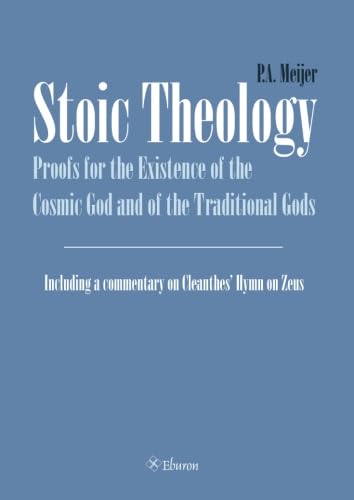
⚡️ What is Stoic Theology about?
Stoic Theology explores the divine principles and spiritual framework that underpin Stoic philosophy. This comprehensive examination reveals how ancient Stoics understood the relationship between the divine cosmos, human virtue, and natural law. The text delves into how Stoic Theology integrates metaphysical beliefs with practical ethical guidance, showing that true wisdom comes from understanding our place within the universal order. Through examining divine providence, cosmic consciousness, and the interconnectedness of all existence, this work illuminates the theological foundations that made Stoicism both a philosophical system and a way of life.
🚀 The Book in 3 Sentences
- Stoic Theology establishes that divine reason permeates the cosmos, making virtue the highest good and the path to true happiness.
- The theological framework demonstrates how understanding cosmic order leads to emotional resilience and moral excellence.
- Through theological reasoning, Stoics developed practical strategies for living in harmony with nature and divine providence.
🎨 Impressions
My encounter with Stoic Theology was profoundly enlightening, revealing the sophisticated theological underpinnings that support Stoic philosophy. The depth of theological reasoning presented throughout demonstrates how Stoic Theology transcends simple philosophical musings to become a comprehensive worldview. What struck me most was how the ancient Stoics integrated divine principles with practical living, creating a spiritual framework that remains remarkably relevant. The systematic approach to understanding divinity through reason rather than blind faith exemplifies the intellectual rigor that defines this theological tradition.
📖 Who Should Read Stoic Theology?
Stoic Theology appeals to readers seeking spiritual depth through rational inquiry and philosophical understanding. Those interested in Stoic Theology will find value in its systematic approach to divine reasoning and cosmic order. Philosophy students, spiritual seekers, and anyone curious about how ancient wisdom can inform modern living should explore this theological framework. The text particularly benefits those who appreciate intellectual approaches to spirituality and want to understand how virtue ethics connects to broader metaphysical principles. Readers interested in the intersection of reason and faith will discover profound insights within these theological discussions.
☘️ How the Book Changed Me
How my life / behaviour / thoughts / ideas have changed as a result of reading the book.
- My understanding of divine order within Stoic Theology transformed how I perceive challenges as opportunities for virtue development
- The theological framework helped me develop greater emotional resilience by recognizing my connection to cosmic reason
- My approach to decision-making now incorporates theological principles of natural law and divine providence
✍️ My Top 3 Quotes
- “The universe is guided by a divine reason that permeates all existence, making virtue the only true good in Stoic Theology.”
- “Understanding divine providence through reason rather than emotion is the cornerstone of authentic Stoic Theological wisdom.”
- “In Stoic Theology, the path to happiness lies not in external circumstances but in aligning our will with cosmic order.”
📒 Summary + Notes
Stoic Theology provides a comprehensive examination of divine principles that form the foundation of Stoic philosophy. This theological framework establishes that understanding cosmic order and divine reason is essential for developing virtue and achieving eudaimonia. The text explores how ancient Stoics integrated metaphysical beliefs with practical ethical guidance, creating a system where theological understanding directly influences daily living.
Chapter 1: Divine Foundations
This opening chapter establishes the theological groundwork by defining the Stoic conception of divinity as an intelligent, rational force that permeates the entire cosmos. The authors explain that divine reason, or logos, isn’t separate from the material world but is the very principle that organizes and governs all existence. This theological understanding positions the universe as a living, rational entity where human beings participate through their own capacity for reason.
- The theological principle that divine reason is immanent rather than transcendent fundamentally changes how we relate to the cosmos
- Examples from early Stoics like Zeno demonstrate how this theological framework influenced their understanding of human purpose
- This divine foundation provides the metaphysical basis for all subsequent Stoic ethical teachings and practical applications
Chapter 2: Cosmic Order and Providence
The second chapter explores how Stoic Theology understands cosmic order and divine providence as governing principles of existence. The authors demonstrate that this theological perspective views all events as part of a rational, predetermined cosmic plan. Through examining theological arguments about fate and free will, the chapter shows how Stoics reconciled human agency with divine governance, arguing that true freedom comes from aligning one’s will with cosmic order rather than rebelling against it.
- Understanding divine providence as rational governance rather than arbitrary fate transforms how we approach life’s challenges
- Theological arguments about necessity versus possibility reveal the sophisticated metaphysical reasoning within Stoic thought
- This cosmic perspective provides theological comfort during difficult times by framing suffering as part of a larger rational design
Chapter 3: Material Divinity
This chapter examines the unique Stoic theological position that divinity is material rather than spiritual, challenging traditional religious conceptions. The authors explain how Stoic Theology views the divine as active reason permeating passive matter, making the entire universe sacred. This theological innovation allowed Stoics to maintain reverence for divine principles while avoiding anthropomorphic conceptions of gods, instead understanding divinity through rational, observable natural processes.
- The theological principle of material divinity eliminates the traditional separation between sacred and secular realms
- Examples of how Stoic thinkers like Chrysippus developed theological arguments to support this materialistic view of divinity
- This material conception enables theological engagement with the physical world without requiring supernatural intervention
Chapter 4: Human Participation in the Divine
The fourth chapter explores how Stoic Theology conceptualizes human relationship with divine reason and cosmic order. The authors demonstrate that this theological framework positions human beings as rational participants in the divine cosmos, possessing a fragment of cosmic reason that enables virtue and wisdom. Through examining theological arguments about human nature and purpose, the chapter shows how Stoics understood personal development as both a moral imperative and a form of divine participation.
- Understanding humans as rational participants in divine order provides theological motivation for ethical behavior
- Theological concepts about pneuma (divine breath) illustrate how Stoic thinkers explained human connection to cosmic reason
- This participatory theology transforms personal virtue from mere moral duty into sacred obligation and divine communion
Chapter 5: Virtue as Theological Practice
This chapter examines how Stoic Theology integrates virtue ethics with divine reasoning, making moral excellence a form of theological worship. The authors demonstrate that this theological framework transforms traditional ethical concepts by grounding them in cosmic principles rather than social conventions. Through exploring theological arguments about the nature of good and evil, the chapter shows how Stoics developed practical spiritual exercises that align human behavior with divine reason and cosmic order.
- The theological integration of virtue with divine reason makes ethical behavior a form of spiritual practice rather than mere social obligation
- Examples from Seneca and Marcus Aurelius demonstrate how this theological approach influenced their personal spiritual development
- This virtue-centered theology provides theological motivation for overcoming destructive emotions through rational understanding
Chapter 6: Divine Reason and Logic
The final chapter explores how Stoic Theology establishes logic and rational thinking as pathways to divine understanding. The authors demonstrate that this theological framework positions correct reasoning not just as an intellectual tool but as a means of participating in divine consciousness. Through examining theological arguments about the nature of knowledge and truth, the chapter shows how Stoics developed sophisticated logical systems that served both practical and spiritual purposes, enabling clearer perception of cosmic order and divine providence.
- The theological elevation of logic transforms rational thinking from mere intellectual exercise into sacred practice
- Examples of Stoic logical innovations demonstrate how theological principles influenced their approach to knowledge and understanding
- This logical theology provides practical tools for discerning divine order within complex life circumstances
Key Takeaways
Stoic Theology offers profound insights into how divine reasoning structures both cosmic order and human experience, providing practical spiritual guidance for modern seekers. The integration of theological principles with ethical practice creates a comprehensive framework for personal development and spiritual growth. Understanding these theological foundations transforms how we approach challenges, relationships, and personal purpose, making virtue both achievable and meaningful.
- Stoic Theology establishes divine reason as the organizing principle of cosmic order, making virtue the highest good and pathway to happiness
- The theological integration of material divinity with rational consciousness provides a framework for understanding human participation in cosmic order
- Through theological reasoning about fate and providence, Stoic teachings offer comfort and guidance for navigating life’s challenges with wisdom and resilience
Conclusion
Stoic Theology provides a sophisticated spiritual framework that integrates divine reasoning with practical ethical guidance, offering profound insights for modern seekers. This theological approach transforms traditional religious concepts by grounding them in rational observation and philosophical inquiry, making spiritual wisdom accessible through intellectual engagement rather than blind faith. The systematic exploration of divine principles within Stoic Theology demonstrates how ancient wisdom can inform contemporary spiritual development, providing tools for achieving virtue, resilience, and genuine happiness. For those seeking to understand how theological principles can enhance practical living, Stoic Theology offers an invaluable resource that bridges the gap between divine mystery and human understanding.
More From Various →
Discover more from AI Book Summary
Subscribe to get the latest posts sent to your email.