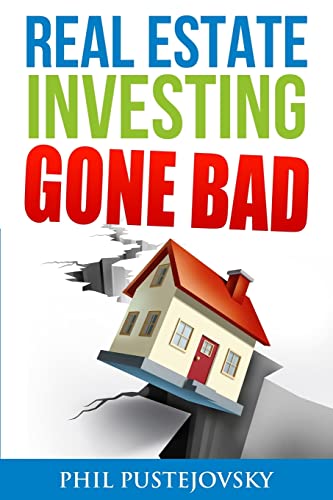
⚡️ What is Real Estate Investing Gone Bad about?
Real Estate Investing Gone Bad is a comprehensive guide that reveals the pitfalls and mistakes that investors commonly encounter in the real estate market. Through 21真实 stories, author Phil Pustejovsky shares cautionary tales of investors who lost money, faced legal troubles, and made costly errors. The book serves as both a warning and an educational resource, teaching readers how to identify potential problems before they occur and how to recover when deals go wrong. Unlike typical “success story” real estate books, this one focuses on learning from failures to build better investment strategies.
🚀 The Book in 3 Sentences
- Real Estate Investing Gone Bad presents 21真实案例 of failed investments to teach readers what NOT to do when flipping houses and investing in real estate.
- The book emphasizes learning from others’ mistakes through detailed stories that highlight common pitfalls like poor due diligence, legal complications, and financial mismanagement.
- Each chapter provides actionable strategies for avoiding similar disasters and recovering when real estate investments go wrong.
🎨 Impressions
Real Estate Investing Gone Bad offers a refreshingly honest perspective on real estate investing that many books shy away from. Instead of glorifying success stories, Pustejovsky dives deep into the messy, costly mistakes that can devastate investors’ portfolios. The real estate investing gone bad approach makes it invaluable for anyone serious about avoiding common traps. The stories are detailed and relatable, making it easy to see how similar situations could happen to anyone. This book serves as a crucial safety net for both novice and experienced investors.
📖 Who Should Read Real Estate Investing Gone Bad?
This book is essential for anyone considering real estate investing, particularly those interested in house flipping and rental property investments. Real estate investing gone bad stories provide critical insights for beginners who haven’t yet made costly mistakes, while experienced investors can learn advanced risk management techniques. The detailed case studies make it particularly valuable for real estate investing gone bad scenarios that could easily happen to anyone. Whether you’re a first-time investor or a seasoned pro, this book offers lessons that can save thousands of dollars in potential losses.
☘️ How the Book Changed Me
How my life / behaviour / thoughts / ideas have changed as a result of reading the book.
- My approach to due diligence in real estate investing gone bad situations has become much more thorough and systematic
- I now prioritize legal considerations and professional advice before making investment decisions
- I’ve developed better risk assessment skills that help identify potential real estate investing gone bad scenarios early
✍️ My Top 3 Quotes
- “The key to successful real estate investing isn’t avoiding all risks—it’s understanding which risks you can afford to take and which real estate investing gone bad scenarios you should avoid at all costs.”
- “Every investor makes mistakes, but smart investors learn from real estate investing gone bad stories to prevent future disasters.”
- “When real estate investing goes bad, it’s not just about losing money—it’s about losing confidence, time, and opportunities to build real wealth.”
📒 Summary + Notes
Real Estate Investing Gone Bad focuses on preventing costly mistakes through real-world examples of what went wrong in various investment scenarios. The book provides comprehensive coverage of different types of real estate investing gone bad situations, from house flipping disasters to rental property management nightmares. Each chapter details specific mistakes and offers practical solutions for avoiding similar pitfalls in your own investments.
Chapter 1: Introduction – Learning from Others’ Mistakes
This opening chapter sets the tone for the entire book by emphasizing the importance of learning from others’ failures rather than just their successes. Pustejovsky explains that studying real estate investing gone bad cases provides more valuable insights than typical success stories because it reveals the actual risks and challenges investors face. The chapter emphasizes that mistakes are inevitable, but learning from real estate investing gone bad scenarios can help readers avoid making the same costly errors.
- Success stories often hide the mistakes and failures that occurred along the way to achieving results
- Real estate investing gone bad stories provide more practical, actionable insights for preventing future problems
- Understanding common pitfalls helps investors develop better risk assessment skills before committing capital
Chapter 2: Too Good to Be True
This chapter explores deals that appear extremely attractive on the surface but contain hidden problems that can lead to significant losses. Pustejovsky discusses how investors can fall victim to deals that promise unrealistic returns or seem to offer opportunities that other investors have supposedly missed. The real estate investing gone bad examples show how greed and impatience can lead to poor decision-making when investors don’t properly investigate seemingly perfect opportunities.
- Extremely low prices often indicate serious underlying problems with properties
- Rushing into deals without proper due diligence frequently leads to real estate investing gone bad outcomes
- I learned to treat unusually attractive deals with extra caution and thorough investigation
Chapter 3: Story Time
This chapter serves as a compilation of various real estate investing gone bad anecdotes that illustrate different types of mistakes investors make. Pustejovsky shares stories from multiple investors who encountered problems ranging from legal complications to financial losses. Each story demonstrates how real estate investing gone bad situations can develop from seemingly minor issues that compound over time into major problems.
- Small problems ignored early can become insurmountable obstacles later in real estate investing gone bad scenarios
- Multiple real estate investing gone bad stories show different paths to investment failure
- I realized that reading about various real estate investing gone bad experiences provides valuable pattern recognition skills
Chapter 4: The Contract-Killer
One of the most crucial chapters focusing on legal pitfalls that can destroy real estate investments. This chapter details how poorly structured contracts and agreements can lead to real estate investing gone bad outcomes. Pustejovsky explains how contract issues can result in lawsuits, financial losses, and the complete loss of investment properties when investors don’t properly protect themselves with appropriate legal agreements.
- Legal agreements must be carefully drafted and reviewed before signing any real estate investing deals
- Stories of real estate investing gone bad often involve contract disputes that could have been prevented
- I now understand the critical importance of legal protection in all real estate investing gone bad prevention strategies
Chapter 5: Bad Title
This chapter focuses specifically on title issues that can ruin real estate investments. Pustejovsky details how title problems including liens, ownership disputes, and documentation errors can lead to real estate investing gone bad situations. The stories demonstrate how failing to conduct proper title searches and resolve title issues before closing can result in losing entire investments or facing expensive legal battles.
- Title problems are among the most common causes of real estate investing gone bad scenarios
- Inadequate title research can result in expensive surprises after property acquisition
- I learned that professional title companies are essential investments for preventing real estate investing gone bad from title issues
Chapter 6: Little White Lies
Deception and misrepresentation in real estate transactions can lead to devastating real estate investing gone bad consequences. This chapter examines how lies about property conditions, tenant situations, financial performance, and other crucial information can destroy investment outcomes. Pustejovsky shares stories where investors discovered only after purchase that critical information had been misrepresented or withheld entirely.
- Misrepresentation by sellers, tenants, or partners often leads to real estate investing gone bad situations
- Real estate investing gone bad stories frequently involve situations where important facts were hidden or misrepresented
- I now verify all critical information independently rather than taking anyone’s word in real estate investing transactions
Chapter 7: Seller Financing – A Cautionary Tale
Seller financing can be an excellent strategy or a real estate investing gone bad disaster depending on how it’s structured and managed. This chapter explores the pitfalls of seller financing arrangements that went wrong, including borrower defaults, property value declines, and legal complications. Pustejovsky demonstrates how real estate investing gone bad situations with seller financing often involve inadequate documentation, poor credit assessment of buyers, and insufficient collateral protection.
- Seller financing without proper legal documentation frequently leads to real estate investing gone bad outcomes
- Stories demonstrate that inadequate borrower screening can create real estate investing gone bad scenarios
- I realized that professional legal advice is essential when structuring any real estate investing gone bad prevention plan involving seller financing
Chapter 8: The Rehab Train Wreck
Property rehabilitation projects frequently become real estate investing gone bad nightmares due to budget overruns, timeline delays, contractor problems, and unexpected complications. This chapter details renovation disasters that cost investors far more than anticipated while adding far less value than projected. Pustejovsky shows how inadequate planning, poor contractor selection, and unrealistic expectations can transform profitable real estate investing projects into expensive disasters.
- Renovation projects without proper planning often result in extreme real estate investing gone bad scenarios
- Real estate investing gone bad examples frequently involve significant cost overruns and timeline delays
- I learned that professional contractors and detailed project management are essential for preventing real estate investing gone bad in rehab situations
Chapter 9: Flipping Houses – Where Things Go Really wrong
House flipping represents one of the most popular yet risky real estate investing strategies, with countless opportunities for real estate investing gone bad outcomes. This chapter explores how market timing, pricing mistakes, renovation errors, and financing problems can destroy flipping profits. Pustejovsky presents stories where investors lost substantial money despite having good initial opportunities, demonstrating how easily profitable flips can become expensive mistakes.
- Inadequate market analysis frequently leads to real estate investing gone bad scenarios in house flipping
- Stories show how quickly profitable flips can become loss-making real estate investing gone bad situations
- I now understand that house flipping requires detailed planning, market expertise, and strict financial controls to avoid real estate investing gone bad outcomes
Chapter 10: Hiding Money
Tax compliance and financial transparency issues can create serious legal problems that lead to real estate investing gone bad situations. This chapter examines cases where investors attempted to hide income, avoid taxes, or manipulate financial records, resulting in penalties, audits, and legal consequences. Pustejovsky demonstrates how aggressive tax strategies and lack of proper professional advice can transform successful investments into real estate investing gone bad disasters.
- Tax evasion strategies frequently result in expensive real estate investing gone bad penalties and legal problems
- Real estate investing gone bad stories involving hidden money typically lead to much greater financial losses than initial tax savings
- I learned that proper tax planning with qualified professionals prevents real estate investing gone bad scenarios related to financial compliance
Chapter 11: Rental Property Problems
Rental property management disasters represent some of the most common real estate investing gone bad scenarios experienced by investors. This chapter details tenant problems, maintenance nightmares, property management failures, and financial difficulties that can devastate rental investment returns. Pustejovsky shares stories where investors discovered that rental properties they thought would be profitable turned into expensive money pits due to inadequate planning and management.
- Poor tenant screening often leads to extremely expensive real estate investing gone bad situations in rental properties
- Real estate investing gone bad rental stories frequently involve maintenance costs far exceeding initial projections
- I realized that professional property management or comprehensive education is essential for avoiding real estate investing gone bad in rental investments
Key Takeaways
The book provides numerous insights for preventing real estate investing gone bad scenarios through careful planning, due diligence, and learning from others’ mistakes.
- Proper due diligence prevents most real estate investing gone bad situations by revealing hidden problems before they become expensive disasters
- Legal documentation and professional advice are essential for avoiding real estate investing gone bad outcomes in contracts and agreements
- Rental property management requires specialized knowledge to prevent real estate investing gone bad scenarios from tenant problems and maintenance issues
Conclusion
Real Estate Investing Gone Bad is an essential resource for anyone serious about avoiding costly mistakes in real estate investments. The book’s unique approach of focusing on failures rather than successes provides practical insights that readers can immediately apply to their investment decisions. By carefully studying these real estate investing gone bad examples and following the prevention strategies outlined throughout the book, investors can significantly improve their chances of success while avoiding the expensive pitfalls that have destroyed many other investors’ portfolios. This comprehensive guide should be required reading for all real estate investors seeking to build long-term wealth through property investments.
More From Phil Pustejovsky →
Discover more from AI Book Summary
Subscribe to get the latest posts sent to your email.