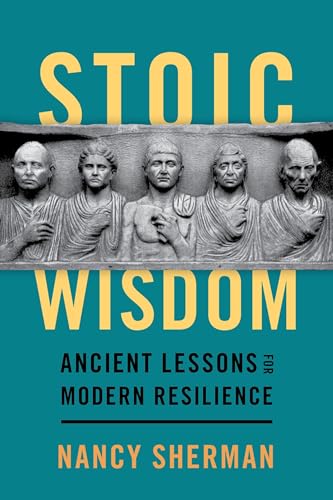
⚡️ What is Modern Stoicism about?
Modern Stoicism explores how ancient Stoic philosophy can be applied to contemporary life challenges. This collection brings together diverse voices to demonstrate how Stoic principles like emotional regulation, virtue ethics, and acceptance of what we cannot control remain profoundly relevant. The book shows readers how to cultivate resilience, improve relationships, and find meaning through practical Modern Stoicism strategies that work in today’s world.
🚀 The Book in 3 Sentences
- Modern Stoicism teaches us to distinguish between what we can control and what we cannot, focusing our energy on actionable areas.
- The philosophy emphasizes virtue as the highest good, encouraging wisdom, courage, temperance, and justice in daily decision-making.
- Through practical exercises and real-life applications, readers learn to develop emotional resilience and ethical living using Modern Stoicism principles.
🎨 Impressions
This comprehensive guide to Modern Stoicism beautifully bridges ancient wisdom with contemporary challenges. The diverse perspectives make the philosophy accessible to readers from all walks of life, demonstrating how timeless principles can address modern anxiety, relationships, and professional stress. The practical approach makes Modern Stoicism feel less like abstract philosophy and more like a living, breathing guide for daily life.
📖 Who Should Read Modern Stoicism?
Anyone seeking emotional resilience, better decision-making skills, or a philosophical framework for navigating life’s challenges should read Modern Stoicism. Professionals dealing with high-stress environments, individuals struggling with anxiety or negative thinking patterns, and those interested in personal development will particularly benefit from these Modern Stoicism strategies. The book’s accessible approach makes it valuable for both newcomers and those familiar with ancient philosophy.
☘️ How the Book Changed Me
How my life / behaviour / thoughts / ideas have changed as a result of reading the book.
- I now approach difficult situations with greater emotional detachment, applying Modern Stoicism techniques to maintain perspective
- My decision-making process has improved by focusing on virtue rather than external outcomes
- I’ve developed a daily reflection practice inspired by Modern Stoicism principles to assess my actions and responses
- I’m more accepting of things beyond my control, reducing unnecessary stress and anxiety
✍️ My Top 3 Quotes
- “Very little is needed to make a happy life; it is all within yourself, in your way of thinking.” – Marcus Aurelius, as interpreted through Modern Stoicism lens
- “The Stoic attitude toward suffering and loss is a profound one. Sickness and loss are not evils, but merely events that happen according to the nature of the universe.” – Core Modern Stoicism teaching
- “We are not rich by what we possess but by what we can do without.” – Immanuel Kant, reflecting Modern Stoicism values of simplicity and virtue
📒 Summary + Notes
Modern Stoicism provides a comprehensive guide to applying ancient philosophical principles in contemporary life situations. The book explores how Stoic wisdom can address modern challenges including anxiety, relationship difficulties, and workplace stress. Through various contributors’ perspectives, readers learn practical techniques for emotional regulation and ethical decision-making.
Part I: Stoic Theory
This foundational section establishes the core philosophical framework of Modern Stoicism, explaining how ancient principles translate to contemporary understanding. The authors outline the fundamental Stoic beliefs about virtue, emotion, and the nature of reality, providing essential context for practical applications.
- Explores the four cardinal virtues: wisdom, courage, temperance, and justice as central to Modern Stoicism
- Examines how emotions are understood as judgments rather than involuntary responses in Modern Stoicism
- Demonstrates the connection between ancient Stoic theory and modern psychological understanding
Part II: Adapting Stoicism for the Modern Day
This crucial section demonstrates how traditional Modern Stoicism principles can be adapted for 21st-century challenges. Contributors explore practical frameworks for applying Stoic wisdom to contemporary issues while maintaining the philosophy’s core integrity.
- Discusses the Dichotomy of Control as a primary Modern Stoicism tool for navigating modern uncertainty
- Presents morning and evening reflection practices adapted for busy contemporary lifestyles
- Explores how Modern Stoicism strategies can enhance professional performance and personal relationships
Part III: Stoic Advice
This practical section offers concrete guidance on implementing Modern Stoicism in daily life situations. The advice ranges from handling difficult conversations to managing career setbacks, showing how philosophical principles translate into actionable strategies.
- Provides specific Modern Stoicism techniques for managing workplace conflicts and professional challenges
- Offers guidance on applying Stoic principles to family dynamics and personal relationships
- Shares practical exercises for developing emotional regulation using Modern Stoicism methods
Part IV: Life Stories
Real-world applications of Modern Stoicism are illustrated through compelling personal narratives. These stories demonstrate how individuals have successfully integrated Stoic principles during challenging life circumstances, providing inspiration and practical insights.
- Showcases how Modern Stoicism strategies helped individuals overcome serious health issues and personal crises
- Illustrates the application of Modern Stoicism in leadership roles and public service contexts
- Highlights the transformative power of consistent Modern Stoicism practice through life-changing testimonials
Part V: Stoicism for Parents & Teachers
This section explores how Modern Stoicism principles can enhance parenting and educational approaches. Contributors discuss how Stoic wisdom can help adults model emotional regulation and ethical behavior for younger generations.
- Provides Modern Stoicism strategies for managing challenging child behaviors with patience and understanding
- Explores how educational settings can incorporate Modern Stoicism principles for student development
- Discusses the role of Modern Stoicism in building character and resilience in children
Part VI: Stoicism & Psychotherapy
The intersection of Modern Stoicism and mental health treatment is examined in this valuable section. Authors explore how Stoic principles complement and enhance various therapeutic approaches, offering additional tools for emotional well-being.
- Shows how Modern Stoicism techniques can support cognitive behavioral therapy and other evidence-based treatments
- Explores the role of Modern Stoicism in building long-term mental resilience beyond clinical settings
- Discusses how therapists can integrate Modern Stoicism principles into their practice effectively
Part VII: Stoicism & Mindfulness
This section delves into the relationship between Modern Stoicism and contemporary mindfulness practices. Authors explore how both traditions can work together to enhance present-moment awareness and ethical decision-making.
- Compares Modern Stoicism meditation practices with Buddhist mindfulness techniques for practical application
- Explores how Modern Stoicism enhances present-moment awareness through ethical focus rather than mere attention
- Discusses the complementary nature of Modern Stoicism and mindfulness for comprehensive personal development
Part VIII: Stoic Literature and Stoicism in Modern Culture
The final section examines how Modern Stoicism appears in contemporary literature, media, and popular culture. This exploration shows how Stoic themes continue to resonate and influence modern storytelling and social discourse.
- Analyzes how Modern Stoicism themes appear in popular media and entertainment
- Explores the influence of Modern Stoicism on contemporary leadership and business literature
- Discusses how modern authors incorporate Modern Stoicism principles into contemporary fiction and non-fiction
Key Takeaways
The essential lessons from Modern Stoicism can be distilled into several core principles that transform how we approach life’s challenges. These takeaways provide a foundation for implementing Stoic wisdom in daily practice.
- Focus on what you can control while accepting what lies outside your influence – a fundamental Modern Stoicism strategy
- Cultivate the four cardinal virtues: wisdom, courage, temperance, and justice in all daily decisions
- Practice regular self-reflection and mindfulness to develop emotional regulation through Modern Stoicism techniques
- View obstacles as opportunities for growth rather than setbacks in your Modern Stoicism journey
Conclusion
Modern Stoicism offers a powerful framework for navigating life’s complexities with grace and wisdom. The diverse perspectives and practical applications make this philosophy accessible and relevant for contemporary readers. By implementing Modern Stoicism strategies, readers can develop greater emotional resilience, make more ethical decisions, and find deeper meaning in their daily experiences. I highly recommend exploring the complete Modern Stoicism collection to fully appreciate how these ancient principles can transform modern life.
More From Various →
Discover more from AI Book Summary
Subscribe to get the latest posts sent to your email.