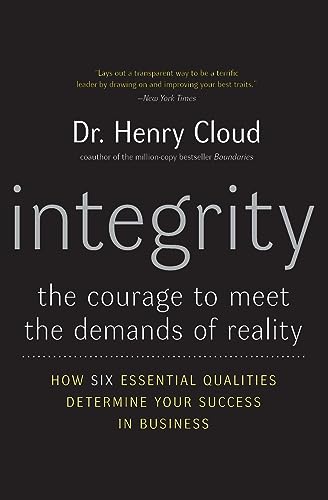
⚡️ What is Integrity about?
Integrity by Henry Cloud explores how living with moral wholeness and authenticity creates powerful personal transformation. The book delves deep into what it means to be the same person in private as you are in public, revealing how true integrity leads to greater success, deeper relationships, and more meaningful personal growth. Cloud breaks down the Integrity strategies necessary to close the gap between your potential and your actual results, showing how character is the foundation for lasting change.
🚀 The Book in 3 Sentences
- Integrity is about bringing all parts of yourself together into a unified whole, not compartmentalizing behavior.
- Without genuine personal integrity, success remains fragile and relationships suffer from trust deficits.
- Developing integrity strategies requires vulnerability, courage, and consistent daily choices that align with core values.
🎨 Impressions
I found Integrity to be one of the most powerful books on character development I’ve ever read. Henry Cloud manages to blend psychological insight with spiritual wisdom, creating a compelling case for why integrity isn’t just a moral virtue but a practical necessity for personal and professional success. The Integrity strategies outlined throughout the book are both challenging and deeply transformative.
📖 Who Should Read Integrity?
This book is essential reading for anyone struggling with inconsistent behavior or feeling disconnected from their authentic self. If you’re seeking genuine personal transformation, integrity is your most critical foundation. The Integrity strategies resonate particularly well with leaders, professionals, and anyone serious about building lasting character that withstands life’s pressures.
☘️ How the Book Changed Me
How my life / behaviour / thoughts / ideas have changed as a result of reading the book.
- I started being more honest with myself about areas where I was compromising on integrity for short-term gains
- I began actively seeking feedback and叨扰 from others to identify blind spots in my character
- I changed my approach to relationships, prioritizing vulnerability and authenticity over surface-level connections
✍️ My Top 3 Quotes
- “You must face up to who you really are, not just in your own mind but as others see you. This takes courage, but it is the only way to the other side of integrity.”
- “When we are disconnected from our own hearts, we will struggle with any relationship.”
- “Integrity is the practical foundation of all that we are trying to become.”
📒 Summary + Notes
Integrity tackles one of the most fundamental aspects of human character that determines our success and fulfillment. Henry Cloud argues that true integrity isn’t just doing the right things when others are watching, but rather becoming a whole person who consistently aligns with core values across all areas of life. The Integrity strategies presented in this book help bridge the gap between our potential and our actual results.
Chapter 1: What Is the Real You?
This opening chapter explores the difference between our authentic self and our counterfeit versions. Cloud explains that most people live with what he calls ‘bad connections’ – areas where they’re pretending or disconnected from their true selves. Understanding who you really are forms the foundation for genuine integrity, and the Integrity strategies begin with honest self-reflection.
- Counterfeit self operates to protect us but ultimately arms us against ourselves
- Example of a CEO who couldn’t connect with his own emotions despite professional success
- I realized I often operate from my counterfeit self when things get stressful
Chapter 2: The Integration Process
Cloud discusses how integrity literally means becoming ‘one piece’ – an integrated person who doesn’t compartmentalize different aspects of life. This chapter introduces the psychology behind why people fragment themselves and the courage required to face our disconnected parts. The Integrity strategies emphasize that healing comes through integration, not further separation.
- Disowned parts of ourselves often show up in relationships and create problems
- Story of a woman who couldn’t express anger and consequently undermined her professional authority
- This chapter challenged me to consider areas I’ve been keeping disconnected
Chapter 3: How Do You Know You’re Disconnected?
This diagnostic chapter helps readers identify signs of internal disconnection and areas where their integrity is compromised. Cloud provides practical indicators such as inconsistent behavior across contexts, chronic defensiveness, and relationship patterns that sabotage meaningful connections. The Integrity strategies begin with recognizing these warning signs as opportunities for growth rather than sources of shame.
- Chronic defensiveness and inability to receive feedback signal disconnection
- Example of someone who was generous publicly but stingy in private relationships
- I recognized several warning signs in my own patterns of behavior here
Chapter 4: You Cannot Fix What You Cannot Face
The courage to face uncomfortable truths about ourselves is central to developing integrity. This chapter emphasizes that true character transformation requires confronting our disconnected parts without escapist justifications. Cloud’s Integrity strategies focus on creating a safe space for self-examination, often with the help of trusted others who can provide honest mirror-like reflection.
- Avoiding confrontation with our shadow side perpetuates character fragmentation
- Example of how a pastor’s alcohol abuse stemmed from unwillingness to face certain realities
- I realized I needed to be more honest with myself about areas of disconnection
Chapter 5: Relationships and Integrity
Healthy relationships require the integrity to show up authentically. Cloud explains how our disconnected parts sabotage connection with others, creating defensive walls that prevent genuine intimacy. The Integrity strategies include learning to be vulnerable with safe people, receiving feedback well, and developing emotional honesty as cornerstones of meaningful relationships.
- Inability to express true emotions leads to superficial relationships
- Story of how a business partnership dissolved due to hidden financial motivations
- This chapter revealed how I protect myself from true vulnerability in close relationships
Chapter 6: The Brain and Integrity
Cloud incorporates neuroscience to explain how our brains actually change when we work on integrity. This chapter explores neuroplasticity and how consistent honest behavior literally rewires our neural pathways. The Integrity strategies involve understanding that character development isn’t just moralistic preaching but involves actual physical brain transformation through repeated authentic choices.
- Honest self-disclosure activates calming neural networks while dishonesty creates stress
- Research findings showing how consistent honesty changes brain structure over time
- I was fascinated to understand the scientific basis for why authenticity feels liberating
Chapter 7: Power and Integrity
Power tends to reveal people’s true character, often amplifying disconnected parts and threatening integrity. Cloud examines how positions of influence can either corrupt or sanctify character, depending on one’s internal foundation. The Integrity strategies for handling power involve developing strong internal boundaries and surrounding oneself with honest advisors who aren’t afraid to speak truth.
- Isolated power strips away accountability and exposes character flaws
- Real-world example of a CEO whose ethical standards eroded after achieving success
- This warned me about potential dangers in my own future leadership roles
Chapter 8: Organizations and Integrity
True organizational integrity requires more than written values – it demands authentic leadership that lives out the principles being professed. Cloud demonstrates how corporate cultures are reflections of their leaders’ individual Integrity strategies and explains why companies with genuine integrity outperform competitors in the long term through authentic reputation and employee engagement.
- Companies with high integrity often have leaders who model vulnerability and authenti
- Case study of how organizational disconnect led to massive brand damage and financial loss
- This reshaped how I think about organizational values beyond mission statements
Key Takeaways
Summarize 3-5 most important lessons from the book
- Integrity is about becoming a whole person rather than just doing right actions
- Face your disconnected parts honestly without judgment or escape
- Vulnerability and authenticity in relationships require courage but lead to genuine connection
- Power amplifies existing character traits, making integrity essential for leadership
- Organizations reflect the individual integrity of their leaders and must live values consistently
Conclusion
Henry Cloud’s message about integrity is both challenging and liberating. Rather than simply lecturing about moral behavior, he offers practical pathways to becoming a whole human being. The Integrity strategies provided throughout this book demand courage and vulnerability, but they lead to the most authentic form of personal transformation. I encourage everyone serious about genuine character development to deeply engage with these profound lessons and apply them consistently. True integrity isn’t just about looking good to others – it’s about becoming genuinely whole in every area of life.
More From Henry Cloud →
Discover more from AI Book Summary
Subscribe to get the latest posts sent to your email.