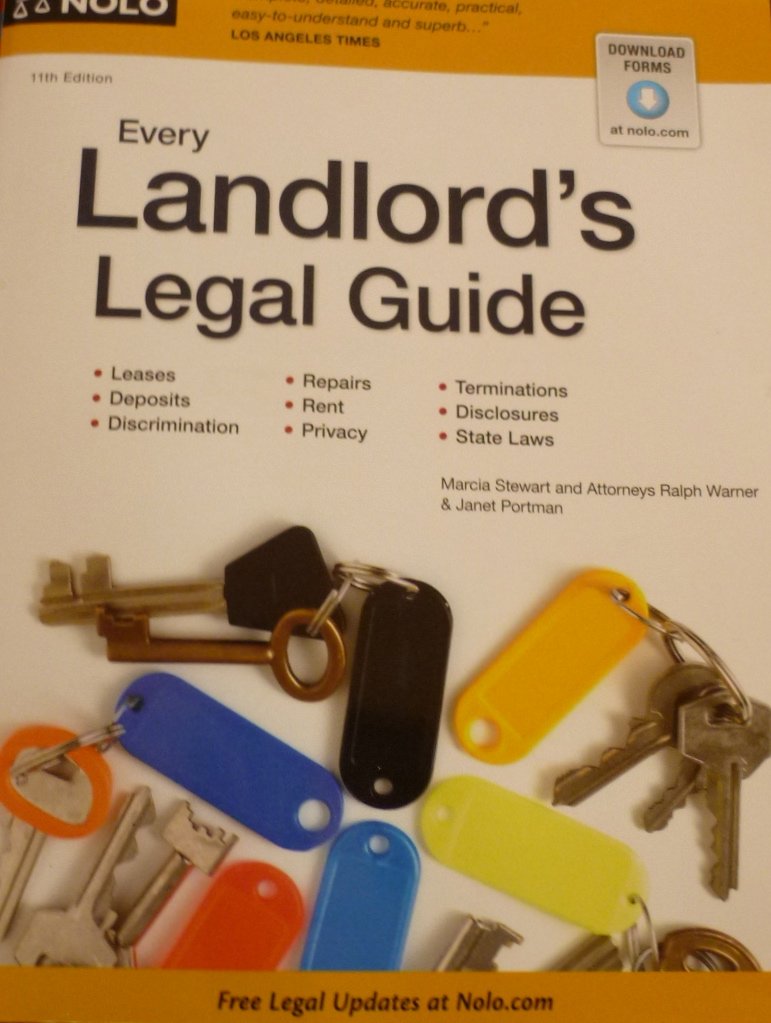
⚡️ What is Every Landlord’s Legal Guide About?
Most real estate books talk about the glory of passive income and the thrill of the deal. This isn’t one of those books. Instead, this is the manual for what happens at 3 AM when a pipe bursts or a tenant stops paying rent and starts citing obscure local statutes. More summaries by Marcia Stewart; Ralph Warner; Janet Portman reveal that the authors aren’t just legal experts; they’re practitioners of defensive property management. They argue that being a landlord isn’t just about owning a building; it’s about running a highly regulated business where a single paperwork error can cost you a year’s worth of profit.
I’ve read plenty of investing book summaries, but few are as practically essential as this one. The central thesis is simple: the law is a double-edged sword. If you don’t use it to shield yourself through iron-clad leases and strict screening, it’ll be used against you in housing court. The authors provide a roadmap that covers the entire lifecycle of a tenancy, emphasizing that the most important work happens before the tenant even gets a key. Do you really want to learn about habitability laws for the first time while standing in front of a judge? Probably not.
🚀 The Book in 3 Sentences
- Every Landlord’s Legal Guide argues that rigorous, non-discriminatory tenant screening is the single most effective way to prevent future legal and financial catastrophes.
- The book provides a systematic approach to state-specific compliance, covering everything from security deposit limits to mandatory disclosures like lead paint and bed bugs.
- It establishes that a landlord’s primary duty is maintaining a “habitable” premises, and failure to do so grants tenants powerful legal remedies that can effectively halt rent payments.
🎨 Impressions
Honestly, I expected this to be a dry, agonizing slog through legalese. It wasn’t. It’s written with a punchy, protective energy that makes you want to go audit your current leases immediately. There’s a moment early on where the authors explain that a “nice” applicant who is desperate for a place today is almost always a “red flag” for poor planning. That kind of real-world wisdom is scattered throughout, making the legal advice feel grounded in actual human behavior rather than just abstract rules.
What frustrated me, though, was realizing just how many mistakes I’ve made in the past. I’ve definitely been too casual with move-in inspections and too slow to document repair requests. Reading this felt like a wake-up call. It’s not just a book; it’s a toolbox. It’s the kind of resource you keep on your desk, not on your bookshelf. If you’re managing property without a guide like this, you’re basically walking through a minefield and hoping for the best. Isn’t your net worth worth more than a hope?
📖 Who Should Read Every Landlord’s Legal Guide?
If you own even a single rental unit and you aren’t a practicing real estate attorney, you need this. It’s perfect for the “accidental landlord” who inherited a property or the serious investor scaling a portfolio. However, if you’re looking for “get rich quick” motivation or tips on how to flip houses, skip this entirely. This book is about the “keep what you have” side of the business.
☘️ How This Book Changed My Thinking
I used to think of a lease as a formality to get to the “real work” of collecting rent. Now, I see it as a comprehensive risk-management contract that defines the boundaries of my liability.
- I stopped trusting “gut feelings” about applicants and moved to a strictly objective, points-based screening system.
- I started taking 50+ photos and a full video of every unit before a tenant moves in, regardless of how much I trust them.
- I realized that being “the nice landlord” who ignores late fees actually makes me a target for professional tenants who know how to exploit leniency.
✍️ 3 Quotes That Stuck With Me
- “Choosing tenants is the most important decision any landlord makes.” — It’s a reminder that a bad tenant is much more expensive than an empty unit.
- “Consistency is crucial when dealing with prospective tenants.” — This hits hard because it explains how even well-meaning landlords accidentally stumble into discrimination lawsuits.
- “Never, never let anyone stay in your property on a temporary basis without a signed agreement.” — A stark warning about how easily someone can gain legal “tenant status” and force an eviction.
📒 Summary + Notes
The book builds a case that successful landlording is 90% systems and 10% reaction. It starts with the premise that your biggest enemy isn’t a leaky faucet, but a lack of documentation. By the time you reach the final chapters on eviction, the authors want you to understand that if you’ve followed the steps in the first fifteen chapters, you’ll probably never need the seventeenth. They build a narrative of the “Professional Landlord” — someone who treats the property as a business asset, follows the law to the letter, and understands that fair but firm boundaries are what actually create long-term stability for both parties.
Throughout the text, the emphasis remains on the “Habitability” concept. This isn’t just about luxury; it’s about the basic legal right to a safe, functioning home. When a landlord fails here, they lose their right to collect rent in many jurisdictions. The authors guide you through the minefields of security deposits, tenant privacy, and environmental hazards like mold or lead, providing templates and state-specific charts to ensure you aren’t tripped up by local variations. It’s a transition from being a “person with a house” to a “business owner with a strategy.”
1: Screening Tenants: Your Most Important Decision
What if the most charming applicant you’ve ever met is actually your biggest legal liability? The authors argue that the screening process is where you win or lose the game. They insist on objective criteria: income that is at least 3x the rent, a solid credit score (usually 670+), and verified references from previous landlords, not current ones. Why previous? Because a current landlord might lie just to get a problem tenant out of their hair. A past landlord has no reason to sugarcoat the truth.
You’ll also find a heavy emphasis on Fair Housing laws. It’s surprisingly easy to accidentally discriminate. For example, saying a unit is “perfect for a young couple” can be seen as familial status discrimination against families with children. The authors suggest focusing entirely on the property’s features in ads, not the “type” of person you want. Consistency is your only shield here; if you run a credit check on one person, you must run it on everyone.
2: Preparing Leases and Rental Agreements
Is a month-to-month agreement better than a fixed-term lease? It depends on your goals for flexibility versus stability. This chapter breaks down every single clause you need, from “Who pays utilities?” to “Can they have a trampoline?” (Hint: your insurance company probably says no). They warn against using those generic, one-page leases you find at office supply stores. Those usually lack the specific language required by your state to actually hold a tenant accountable for things like attorney fees or late payment penalties.
3: Basic Rent Rules
How much can you actually charge for a late fee? Many landlords think they can pick a number that “feels right,” but most states have strict caps or require that the fee be a “reasonable estimate” of the damage caused by the delay. The authors walk through the nuances of rent control, how to legally raise the rent without triggering a retaliation claim, and why you should almost never accept partial rent payments if you’re in the middle of an eviction process.
4: Security Deposits
The “refund fight” is the most common reason landlords end up in small claims court. To avoid this, you need to know your state’s limit on deposit amounts and the strict deadlines for returning them (often 14 to 30 days). The book emphasizes that security deposits are the tenant’s money held in trust, not a slush fund for “standard wear and tear.” If you can’t prove the damage with “before and after” photos, don’t even think about deducting for it.
5: Discrimination
Did you know that “unintentional” discrimination can still get you sued? This chapter is a deep dive into the Fair Housing Act. It covers protected classes like race, religion, and disability, but also nuances like “familial status.” You can’t tell a family they have to live on the first floor because of “safety concerns” for their kids—that’s steering, and it’s illegal. The key takeaway is to have a written set of “Tenant Selection Criteria” and follow it like a robot.
6: Property Managers
Hiring a manager doesn’t absolve you of legal responsibility; in fact, it might increase it. If your manager discriminates, you are the one the feds will come after. The authors explain how to vet a management company and what should be in the contract. They also cover the tricky situation of “resident managers” who live on-site, specifically how to handle their compensation and what happens to their housing if they’re fired.
7: Getting the Tenant Moved In
The move-in day is your last chance to document the “baseline” condition of the property. The authors insist on a Landlord-Tenant Checklist that both parties sign. If a tenant refuses to sign it, that’s a massive red flag. They also suggest a “Move-In Letter” that explains the “house rules” in plain English—like where the water shut-off valve is and how to report repairs—so there’s no “I didn’t know” excuse later.
8: Cotenants, Sublets, and Assignments
Who actually lives in your unit? This chapter tackles the “mystery roommate” problem. Every adult living there should be on the lease and “jointly and severally liable.” This means if one person leaves, the remaining person is still 100% responsible for the full rent. The book also covers the modern nightmare of unauthorized Airbnbs, providing language to ban short-term subletting without your express permission.
9: Landlord’s Duty to Repair and Maintain the Premises
A “livable” home is the bare minimum you owe a tenant in exchange for rent. If the heater breaks in January and you don’t fix it, the tenant might have the right to “repair and deduct” or even stop paying rent entirely. The authors explain the “Implied Warranty of Habitability” and why a good maintenance system is your best defense against “slumlord” accusations. Don’t wait for a tenant to complain; have a schedule for checking smoke detectors and water heaters twice a year.
10: Landlord’s Liability for Tenant Injuries From Dangerous Conditions
A loose carpet or a dim lightbulb in a hallway isn’t just an eyesore; it’s a potential $50,000 personal injury lawsuit. The authors explain the “negligence” standard. If you knew about a hazard (or should have known) and did nothing, you’re liable. They suggest regular safety inspections and carrying high liability insurance—at least $300,000 to $500,000 per unit—as a safety net.
11: Landlord’s Liability for Environmental Health Hazards
Hidden killers like mold, lead paint, and radon can ruin a landlord’s life. The book covers mandatory federal disclosures for properties built before 1978 and how to handle the “mold panic” that tenants often have. The advice is simple: disclose everything you know, fix moisture problems immediately, and never ignore a “funny smell” report.
12: Landlord’s Liability for Criminal Activity
Are you responsible if one tenant punches another? Maybe. If you knew a tenant had a history of violence and you didn’t take steps to protect others, you could be on the hook. This chapter covers the “security” promises you make. If you tell a tenant the building is “secure” but the gate lock has been broken for months, you’ve just created a massive liability if a crime occurs on the premises.
13: Landlord’s Right of Entry and Tenants’ Privacy
Just because you own the house doesn’t mean you can walk in whenever you want. In most states, you need to give 24 to 48 hours’ notice for non-emergencies. The authors explain the “Right to Quiet Enjoyment.” If you’re constantly “stopping by” to check on things, you’re actually violating the law. Use email or text to document your notice of entry so you have a trail if the tenant claims you’re harassing them.
14: Ending a Tenancy
The end of a tenancy should be a “clean break.” This chapter covers how to handle a tenant who wants to break their lease early (the “duty to mitigate damages”) and what happens if a tenant dies. It also warns against “retaliatory eviction”—you can’t kick a tenant out just because they called the health inspector on you. If you want to end a month-to-month lease, you usually need a “no-fault” reason in some cities, or just 30 days’ notice in others.
15: Returning Security Deposits and Other Move-Out Issues
This is where the documentation pays off. The authors suggest a “Pre-Move Out Inspection” to give the tenant a chance to fix damages before they leave. If you do keep money from the deposit, you must provide an itemized list of deductions and receipts for the work. If you miss the state-mandated deadline by even one day, some states require you to pay the tenant double or triple the amount of the deposit.
16: Problems With Tenants: How to Resolve Disputes Without a Lawyer
Lawyers are expensive; talking is free. This chapter is about “de-escalation.” The authors suggest mediation as a way to settle disputes over noise or late rent without going to court. They also provide a crash course on Small Claims Court, emphasizing that the person with the best “paper trail” (emails, photos, logs) is almost always the winner.
17: Late Rent, Terminations, and Evictions
If you’ve reached this stage, something has gone terribly wrong. The book walks through the formal eviction process: the Pay or Quit notice, the Filing of the Summons, and the actual court hearing. The most important rule? Never use “self-help” evictions. You cannot change the locks, turn off the water, or move the tenant’s furniture onto the lawn yourself. That’s a fast track to a massive judgment against you.
18: Lawyers and Legal Research
When is it time to admit you’re in over your head? This chapter explains how to find a landlord-side attorney and how to use law libraries to look up your local municipal codes. Since laws change every year, the authors insist that you check for updates annually—especially regarding rent control and eviction bans, which are currently in a state of flux across the country.
⚖️ A Critical Perspective
While this book is incredibly thorough, its “national” scope can be a double-edged sword. It provides a great foundation, but landlord-tenant law is notoriously hyper-local. A rule in San Francisco might be the exact opposite of a rule in Dallas. The authors try to bridge this with state charts, but there are times they have to give the “check your local laws” cop-out because the variation is just too high. Additionally, the book assumes a somewhat adversarial starting point; while it mentions mediation, its primary focus is on how to win a fight rather than how to build a collaborative relationship that prevents the fight in the first place.
🔄 How It Compares
Compared to The Book on Managing Rental Properties by Brandon and Heather Turner, Every Landlord’s Legal Guide is much less about “lifestyle” and much more about “liability.” Where the Turners focus on the “how-to” of building a business, Marcia Stewart and her team focus on the “how-not-to” of getting sued. If the Turners are the offensive coordinators of landlording, Nolo is the defensive coordinator.
🔑 Key Takeaways
Managing property is a legal chess game where the best move is usually a preventative one.
- Screening is your first and best defense; a vacancy is always cheaper than a bad tenant.
- Documentation is the only thing that matters in court; if it isn’t in writing, it didn’t happen.
- The “Warranty of Habitability” is non-negotiable; you cannot contract your way out of the duty to provide a safe home.
- Self-help evictions are a legal death sentence; always follow the formal court process regardless of how “right” you are.
💬 Frequently Asked Questions
What is the main argument of Every Landlord’s Legal Guide?
The book argues that being a landlord is a highly regulated legal business where success depends on strict adherence to state and federal laws. It emphasizes that a systematic approach to screening, documentation, and property maintenance is the only way to avoid catastrophic lawsuits and financial loss.
Can a landlord refuse to rent to someone with a criminal record?
Yes, but with significant caveats. HUD guidelines state that a blanket ban on anyone with a criminal record can be discriminatory. Landlords should focus on the “nature, severity, and recency” of the conduct. Many cities now have “ban the box” laws that restrict when you can even ask.
What should be included in a move-in inspection?
A move-in inspection must include a detailed, room-by-room checklist signed by both the landlord and tenant. It should document the condition of floors, walls, appliances, and fixtures. The authors strongly recommend high-quality photos and video to provide indisputable evidence for future security deposit disputes.
How much notice must a landlord give before entering a unit?
While laws vary by state, the standard is usually 24 to 48 hours of written notice for non-emergencies. Entry must be during reasonable hours. Immediate entry is only allowed in true emergencies, like a fire or major flood, or if the tenant gives explicit permission at that moment.
Is it legal to use “self-help” methods for eviction?
No. “Self-help” evictions—such as changing locks, turning off utilities, or removing a tenant’s belongings—are illegal in every state. Landlords must follow the formal court process, which includes proper notice, a hearing, and having a law enforcement officer perform the actual physical removal if necessary.
Conclusion
At the end of the day, Every Landlord’s Legal Guide isn’t just about avoiding trouble; it’s about setting the stage for a profitable, low-stress business. When you have a solid lease, a clear screening process, and a deep understanding of your obligations, you can stop worrying about “what if” and start focusing on your portfolio. The authors remind us that the best landlords are the ones who are boringly consistent.
If you take away one thing, let it be this: the law doesn’t care about your intentions, only your actions. Treat every interaction as if it’s being recorded for a judge. It sounds paranoid, but in the world of residential real estate, it’s the only way to sleep soundly. Pick up Every Landlord’s Legal Guide and treat it as your business bible. Your bank account will thank you.
More From Marcia Stewart; Ralph Warner; Janet Portman →
Discover more from AI Book Summary
Subscribe to get the latest posts sent to your email.